

Ventilation Systems
The effective removal of air from any enclosed space is provided by ventilation systems. They are essential for ensuring the work environment is suitable and for allowing staff to carry out their activities in a healthier way. The system ensures that polluted air is replaced by fresh air. The sophisticated systems designed for this purpose are tailored to the physical characteristics of the location and do not cause any aesthetic problems. You can purchase the ventilation system you need with SALT Engineering.
What Are Ventilation Systems?
Ventilation systems are used in many different areas, which is why they come in various types:
- Kitchen exhaust systems
- Heat recovery systems
- Pool dehumidification systems
- Dental clinic ventilation system
- Restaurant ventilation systems
- Café ventilation systems
- Stainless steel chimney systems
- Office ventilation systems
- Fresh air ventilation systems
- Car park ventilation systems
- Air handling units (climate control centers)
Types of Ventilation Systems
Natural Ventilation is an extremely classic method but is noted for its rarity of use nowadays. The air in an enclosed space does not remain static due to pressure and temperature differences. It is in motion. The outlet is through doors, windows or gaps.
Mechanical Ventilation, while having a more modern working principle, also meets expectations due to its high efficiency. The main reason for this is that while the system operates successfully, it also conditions the air accordingly. Both the desired changes in humidity conditions and temperature levels are possible with mechanical ventilation.
-
Natural Ventilation
-
Mechanical Ventilation
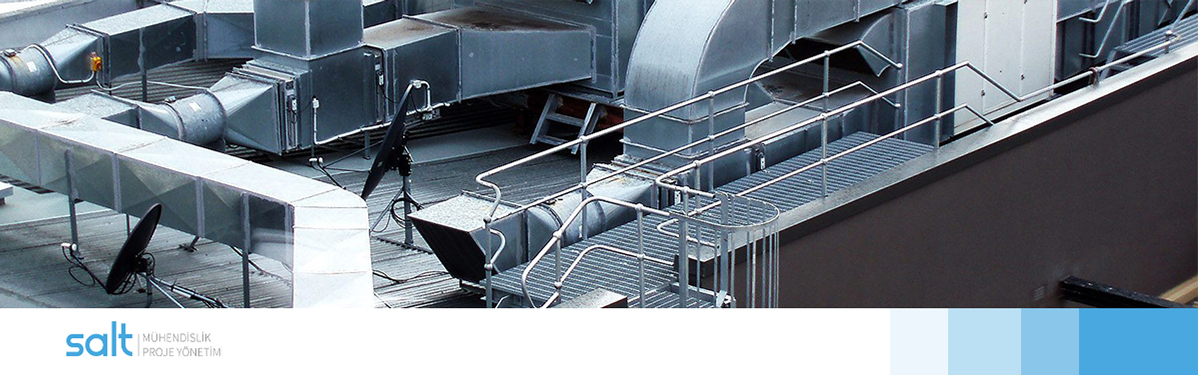
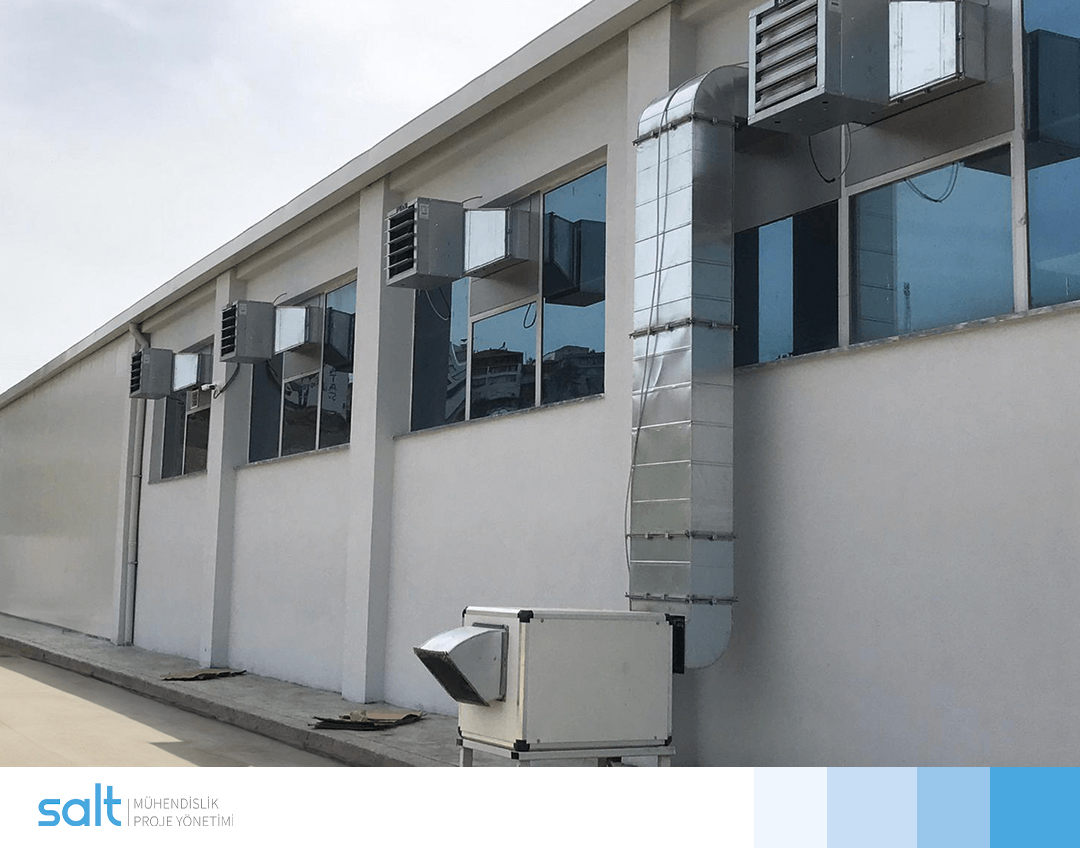
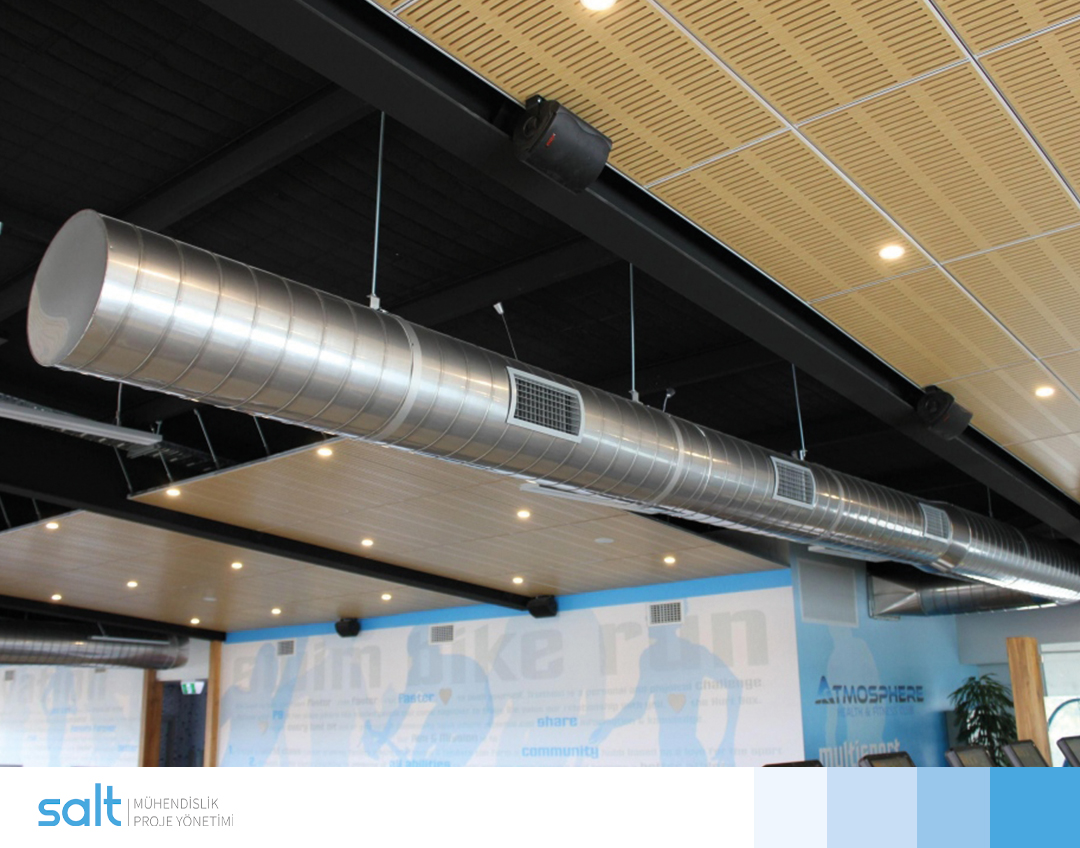
Mechanical ventilation works on the principle of using fans and duct systems to bring in fresh air and expel stale air. In this system, airflow is completely controlled independently of natural conditions. Through filters, heat recovery units and air-directing fans, the air is brought to the desired temperature and cleanliness level. It provides a comfortable, healthy and safe environment especially in enclosed spaces. Mechanical ventilation systems are preferred in many buildings from industrial facilities to offices.
Natural ventilation is a method in which air circulation is entirely provided by environmental effects through windows, doors or special openings. The pressure created by wind effects and temperature differences triggers indoor and outdoor airflow. This system requires no energy consumption, making it a sustainable and economical solution. Natural ventilation is generally preferred in residential buildings and low-density buildings, but when planned in accordance with the architectural design, it can be quite effective.
Advantages of Ventilation Systems
-
Ventilation systems quickly remove heavy, disturbing and harmful odours from the environment. This contributes to increased comfort in workplaces.
-
The system provides continuous fresh air circulation, eliminating the feeling of stuffiness inside. This creates a more comfortable environment for both employees and visitors.
-
Accumulation of harmful gases increases the risk of fire and explosion. Effective ventilation removes these gases from the environment, raising safety to the maximum level.
-
Dust, smoke, chemical vapours and other pollutants are filtered and the ambient air is cleaned. This creates a healthier breathing environment.
-
Polluted air can cause many health problems from respiratory diseases to eye irritation. Ventilation systems reduce these risks, protecting the health of personnel.
-
Fresh air directly affects mental and physical performance. Better concentration and energy levels increase employee productivity.
-
Excessive humidity or dryness both damages building materials and adversely affects health. Ventilation systems maintain balance to provide ideal conditions.
-
Polluted and humid air can cause structural problems such as mould, rust and decay on walls over time. A proper ventilation system prevents such damage, extending the life of the building.
-
Well-designed ventilation systems minimise energy losses thanks to their heat recovery features. This has a positive impact on both the environment and the budget.
-
Many industries require ventilation systems from an occupational health and safety perspective. An effective system also guarantees compliance with these standards.
How to Choose a Ventilation System?
SALT Engineering offers a wide range of ventilation systems with different features and at various price points, fully meeting customer expectations. Before making a purchase, you must consider the size, conditions and design of the area you will use. Purchasing accordingly will prevent potential problems.