

Heating Systems
Heating systems are climate control mechanisms used to heat interior spaces, featuring different parameters and standing out with various characteristics. The systems are grouped according to both the area of use and the functionality they possess. The common purpose of all of them is to provide the heating process at the desired temperature. SALT Engineering offers you practical solutions within a very wide product range capable of meeting your needs.
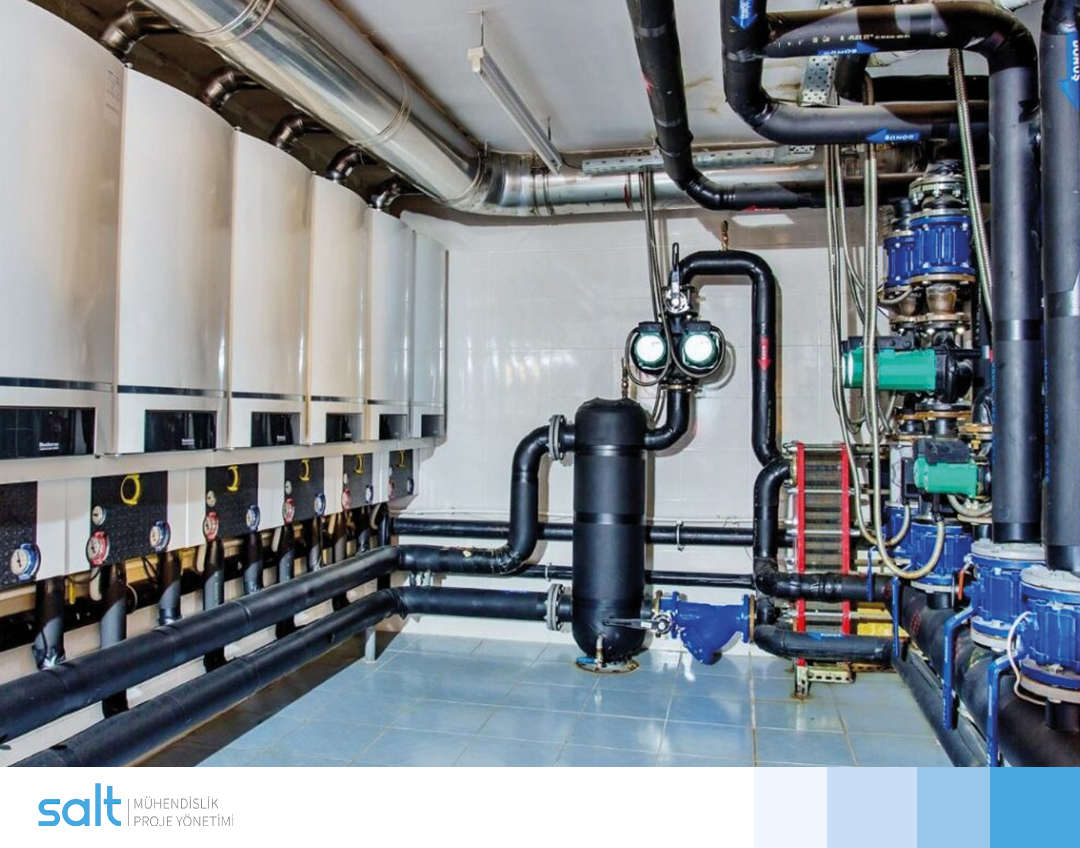
Heating systems are used not just in winter but throughout every season. For this reason, being long-lasting, performing quality heating, and maintaining the resulting temperature in a stable manner is of great importance. Although coal and wood are the most well-known primary materials, they are not found in modern systems produced today. Water comes to the fore. The method of water heating the environment through different mechanisms after reaching a certain temperature is a frequently preferred approach. In addition, natural gas is another frequently used option due to its non-polluting nature.
Heating systems come in a variety of types. For this reason, many alternative methods are available. Their basic operating principles are similar but not identical. For example, an air conditioner is one of the heating tools. Through its special internal system, it takes in air, heats it, and then returns it to the environment. Although it is used especially for very small and limited areas, larger versions also exist. Furthermore, central and combi heating systems are classified according to individual use. In combi systems, usage is shaped according to individual preferences. Every type of adjustment can be made, raising or lowering the temperature is possible. In central systems, however, such an option does not exist.
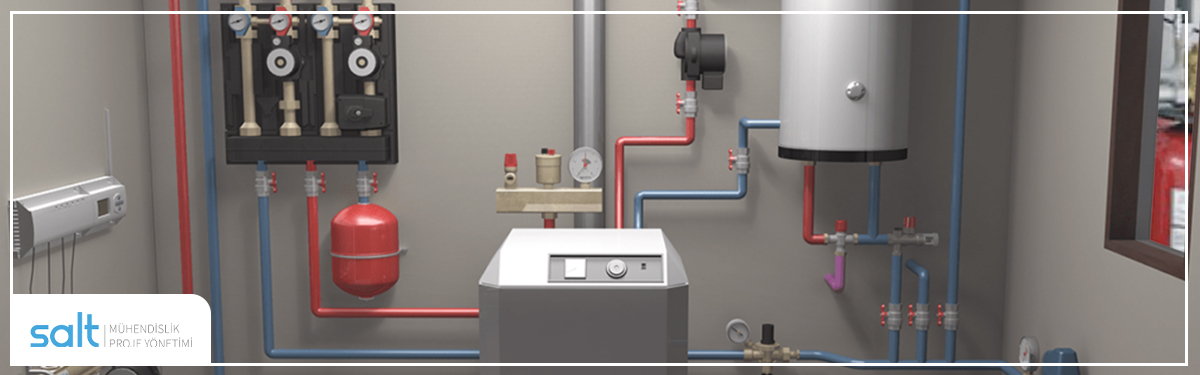
How Heating Systems Work
The operating principle in many different mechanisms within heating systems is the heating of liquid with the help of a radiator. Three different components emerge here. One of these is the boilers used for the successful heating of the selected fluid. Especially when central heating is in question, boilers must be selected according to need. The size of the product is a very important detail. The heater is another device that must be considered. The second component is the pipes. Through the pipes present in the vast majority of heating systems, it is possible to successfully circulate the fluid to be used. Flawless installation of the plumbing is of great importance. The last component is the radiator. The radiator is a special device used for transferring heat to the relevant environment. The convection method is used. It is also known as a heat exchanger, meaning it has the feature of being able to exchange heat. In this way, the heat of more than one fluid is transferred to the environment without mixing.
Advantages of Heating Systems
-
Modern heating systems provide maximum heat with minimum energy consumption thanks to their advanced technologies, creating significant savings on your bills.
-
Heating systems ensure homogeneous heat distribution in the space, providing equal and comfortable temperature in every corner.
-
Proper heating systems allow heating without harming the environment with low carbon emissions.
-
Smart heating systems allow you to easily set the desired temperature via mobile devices or programmable thermostats.
-
Systems manufactured with quality materials and technologies work reliably for many years, providing a return on investment.
-
Modern heating solutions reduce both your time and maintenance costs with minimal maintenance requirements.
-
Advanced heating systems bring the room temperature to the desired level in a short time, increasing comfort.
-
Provides special solutions for different spaces such as homes, workplaces, and factories; suitable system selection can be made for every need.
-
Heating systems create a healthy and comfortable environment by keeping humidity and air quality balanced.
-
By minimising heat losses, it provides budget-friendly, high-performance heating.
How Are Heating Systems Installed?
SALT Engineering supports its customers throughout both the procurement and installation processes of all types of heating systems without leaving them alone. During the installation of a heat system working with radiators, the area where this device will be placed must be the coldest part of the dwelling. Below the window is particularly accepted as the most ideal location in this regard. Successful installation of a heating system is also directly proportional to the insulation of the relevant dwelling. There is no limitation in the use of heating systems. Depending on the product features, they can be preferred anywhere that needs to be heated. Buildings and detached houses come first. The area covered by the relevant structures is among the most fundamental parameters in heating system selection. Heating systems are also used in factories where different industrial activities and production take place. Because they are wider and larger, choosing the most efficient and functional product is of great importance. Government institutions, offices and many more such places can be kept warm with heating systems.