

Fire Suppression Systems
Fire suppression systems are special systems used in compliance with the rules specified by law and in full harmony with the areas in which they will be preferred. Although there are multiple types nowadays, those that operate automatically provide great convenience through the various advantages they offer, and do not leave the fire intervention process to personal choices. SALT Engineering, through the solutions it offers in this regard, contributes to making businesses, offices and many other different buildings safer.
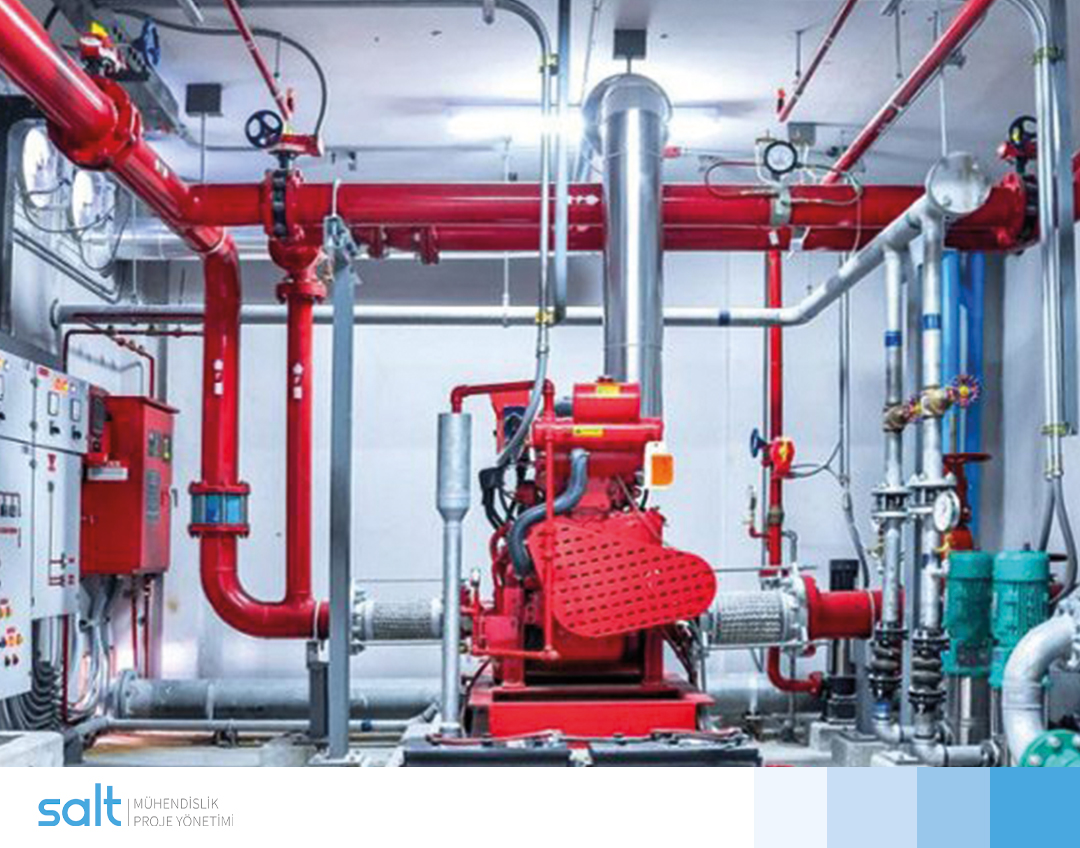
Fire suppression systems are safety systems that automatically activate immediately after a fire starts and provide rapid response. These systems not only prevent the spread of fire but also effectively carry out extinguishing and cooling processes. The use of these systems is vitally important, especially in risky locations such as factories, warehouses, shopping centres, hotels, hospitals and similar places. According to the fire regulations in force in our country, the use of fire extinguishing devices and systems is mandatory in businesses of a certain size. Automatic fire suppression systems activate simultaneously with fire detection through specially designed mechanisms. The foundation of the system is comprised of special pipes and outlet points installed on the ceiling. During a fire, special capsules at these points explode to release water. In some systems this spreads as a fine spray, while in others it enters the environment in a more pressurised and voluminous manner, extinguishing the fire.
Fire suppression systems are of critical importance in preventing loss of life and minimising material losses. Both in individual living spaces and in large industrial facilities, a properly designed and implemented fire suppression system can be life-saving. However, for full effectiveness, it is not enough to simply have a system installed; it is important that the system is correctly selected and configured appropriately for the relevant area. Every area has its own specific risks and needs. For this reason, the fire suppression system to be used in a restaurant kitchen should be completely different from that used in a data centre or a fuel storage facility. When selecting a system, many factors must be considered such as the size of the business, the interior layout, the area of activity, the types of materials that could cause fire, the ambient temperature and the ventilation system.
Where Are Fire Suppression Systems Used?
Fire suppression systems can be used in many different businesses. They are preferred in both small and large buildings. Factories, hospitals and commercial facilities are particularly at the forefront. In addition, hotels and dormitories with heavy human traffic become much safer places thanks to fire suppression systems.
Advantages of Fire Suppression Systems
-
Automatic Response: Activates automatically during a fire without the need for human intervention.
-
Fast Response Time: Detects the fire at an early stage and extinguishes it in a short time.
-
Prevents Spread: Prevents fire from growing and spreading, reducing loss of life and property.
-
Wide Area Protection: Can respond effectively even in large facilities.
-
Provides Cooling: Cools the environment to prevent new ignitions that may occur after the fire.
-
Reduces Human Errors: Prevents delays or errors in manual systems.
-
Compliant with Legal Requirements: Its use is mandatory in accordance with the relevant regulations.
-
Provides Insurance Advantage: Fire systems provide advantages such as premium discounts in insurance policies.
-
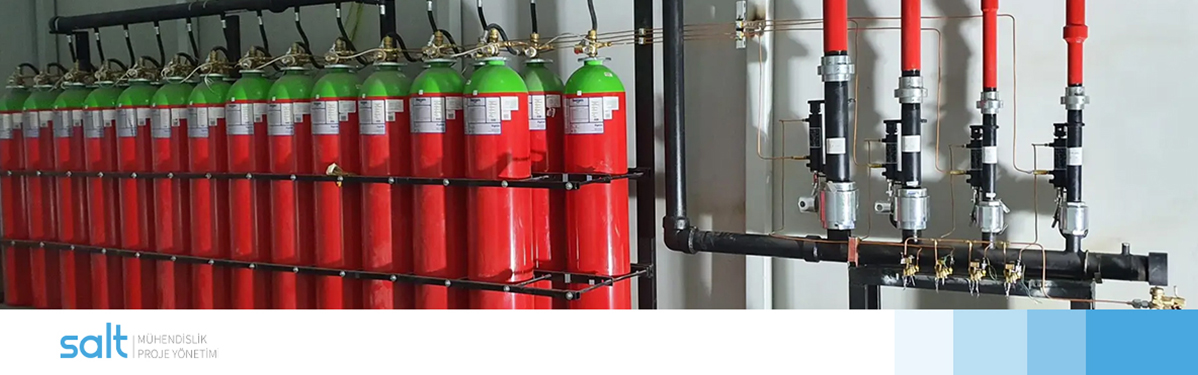
Adapts to Different Environments: Offers tailor-made solutions with water, gas or foam-based systems.
-
Provides Insurance Advantage: Fire systems provide advantages such as premium discounts in insurance policies.
-
Increases Personal Safety: Gains time for the safe evacuation of people.
What Are the Prices of Fire Suppression Systems?
Fire suppression system prices vary according to the characteristics of the relevant mechanism. Since a single system is not in question, you should choose by considering the advantages of each.