
Cooling Systems
Cooling systems are specially designed, adjustable mechanisms used to provide the necessary cooling in the interior spaces of facilities operating in various sectors and all types of buildings. Their primary function is to achieve the desired temperature level and maintain the space temperature at that level. SALT Engineering sells and installs different cooling systems suitable for all types of environments.
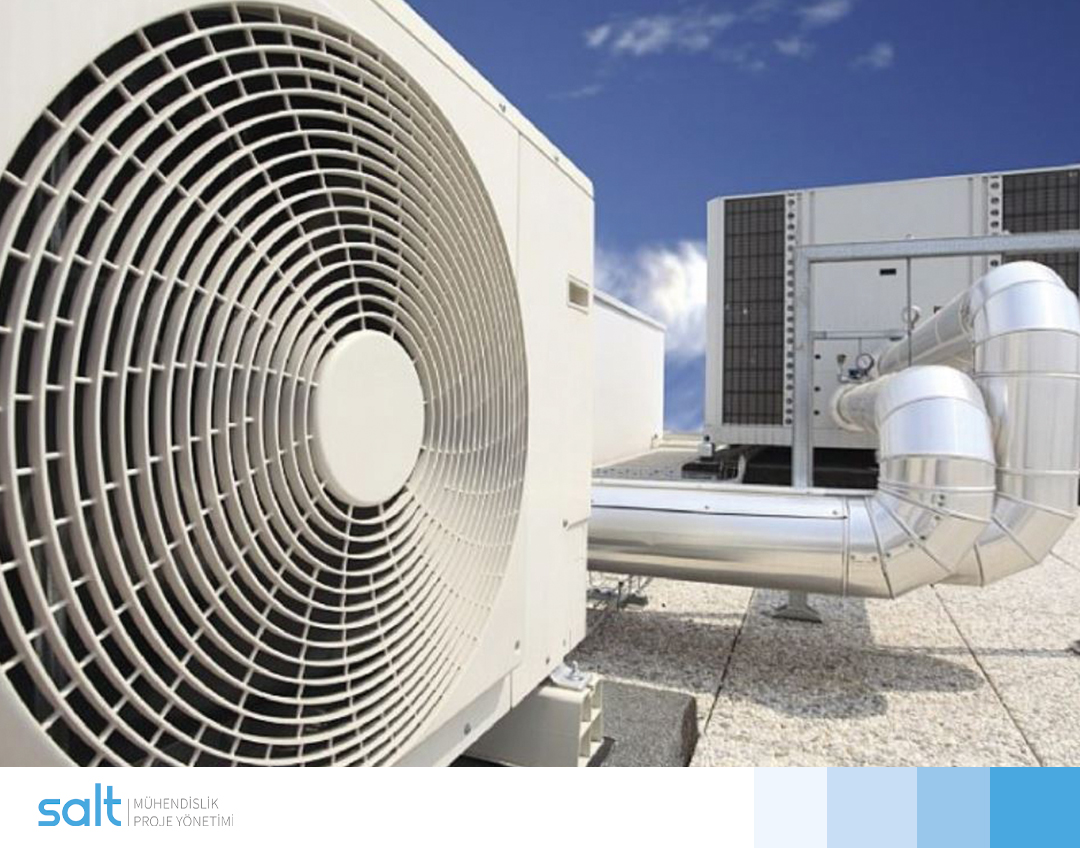
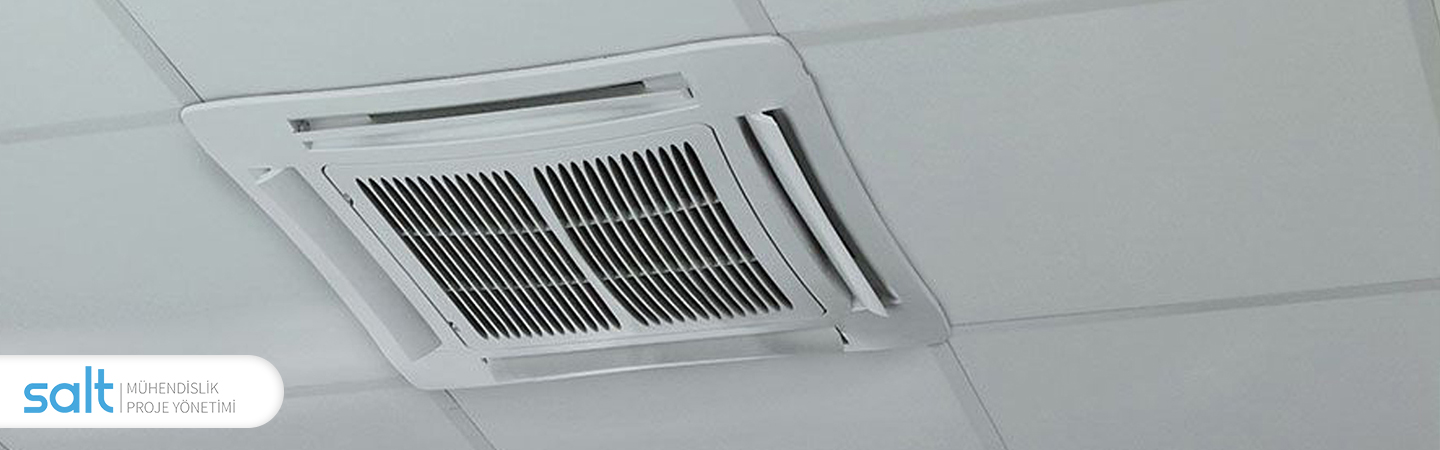
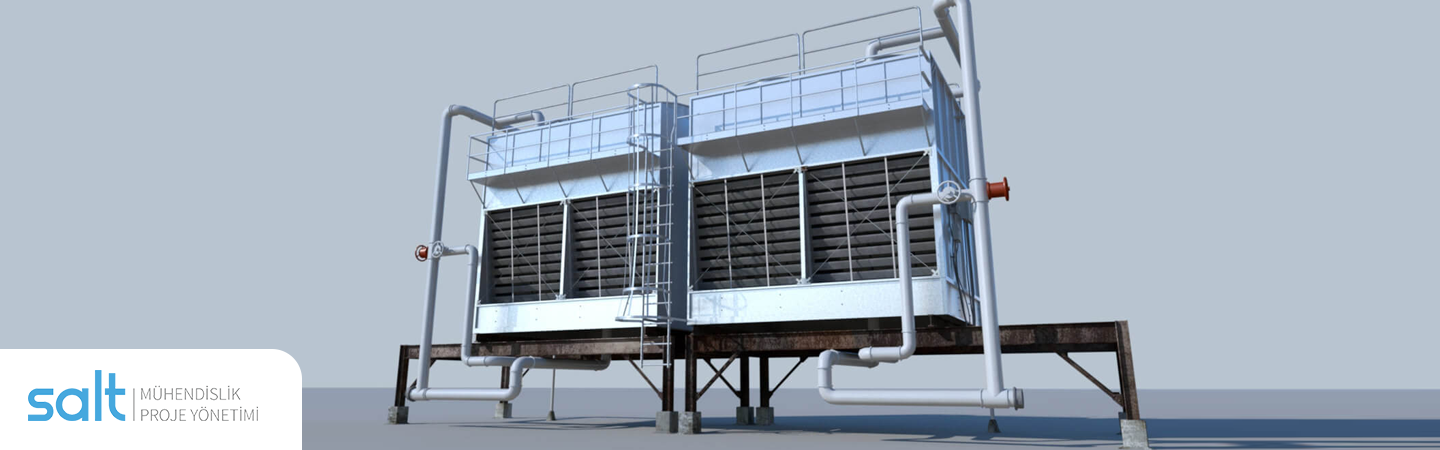
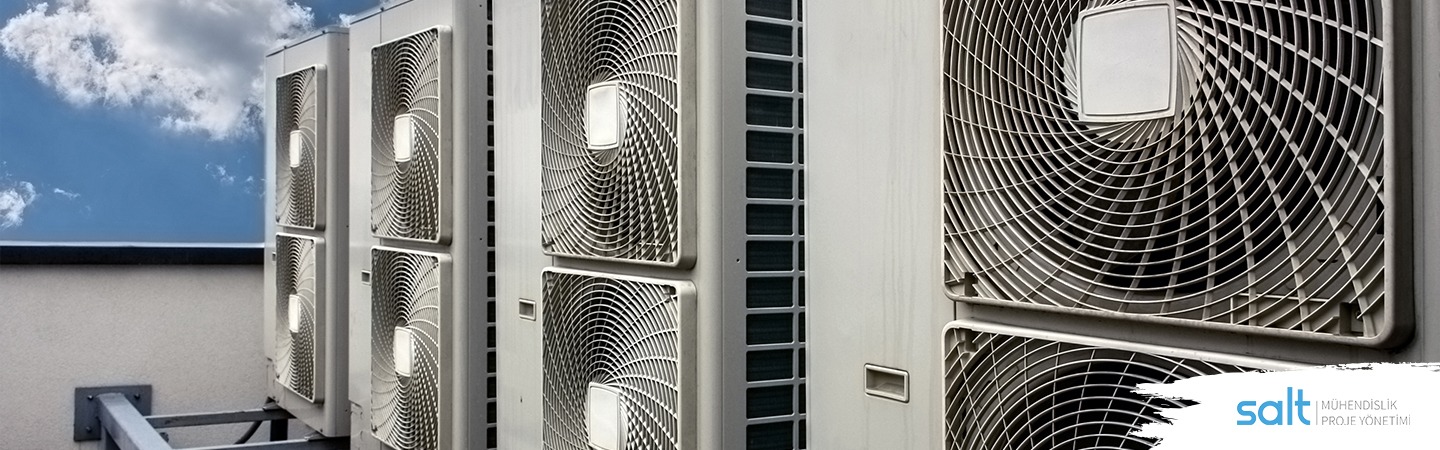
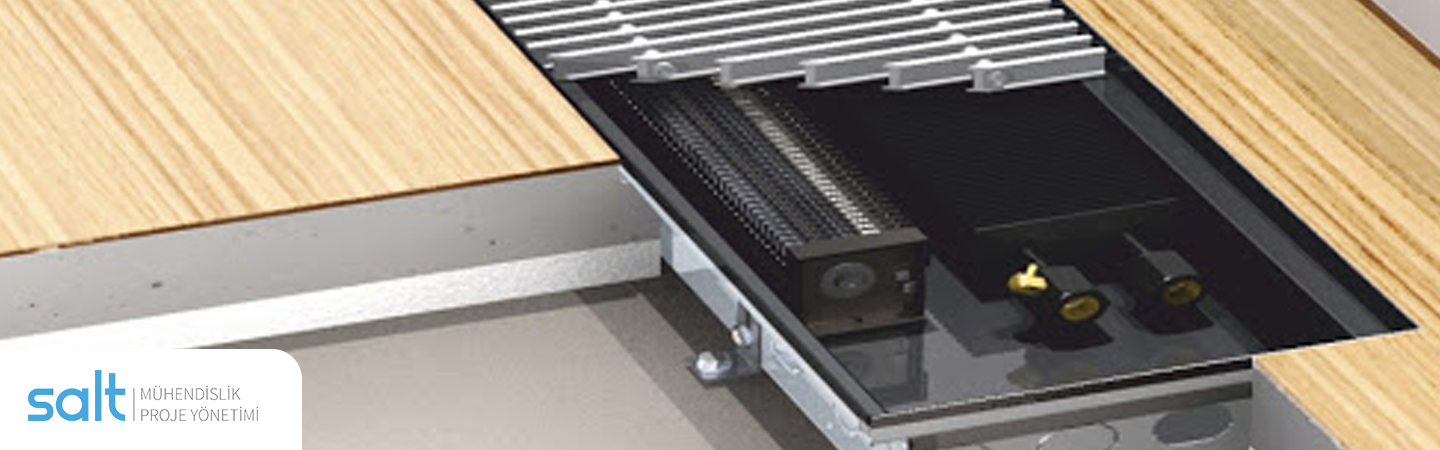
Among cooling systems, there are devices that stand out with very diverse characteristics. Their basic working principles are similar to each other. In both air-cooled and water-cooled mechanisms, a certain process is noteworthy. Accordingly, heat is taken from a known source and then successfully directed to another source. A structure known as injection comes to the fore.
The system contains an evaporator, expansion valve, condenser and compressor. The outstanding component here is the compressor, because the cooling of the gas after heating and compression is possible here. The condenser then comes into play. The system operates this way. Because it passes through the area called the expansion valve, a drop in temperature occurs due to pressure. In this way, it becomes liquid. Passing through the evaporator component, it continues by absorbing heat and reaches the compressor as a gas. The compression process is done again. In this way, cooling is achieved in facilities and residences.
Air-Cooled Systems
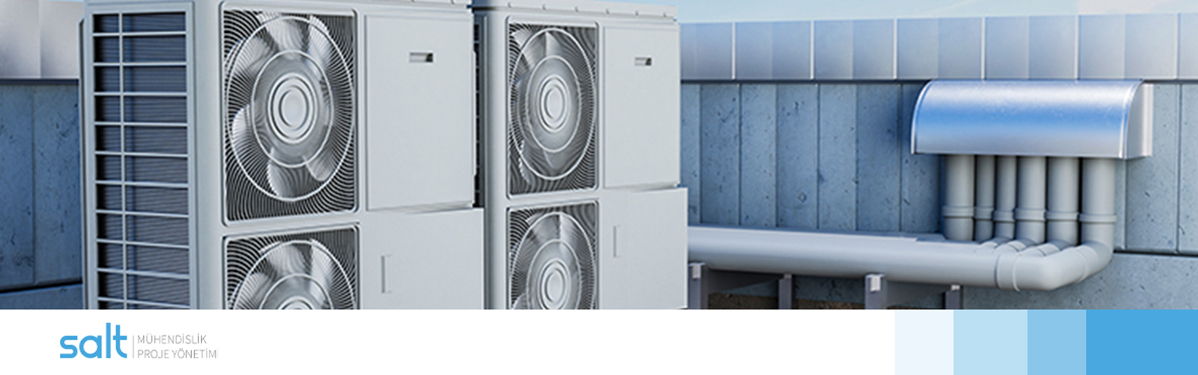
In the air-cooled mechanisms that are part of cooling systems, there is a gas with cooling properties, a compressor and an evaporator. Accordingly, the gas that has been compressed in the compressor is sent to the condenser. Air flow is provided by the operation of fans in the relevant area. This process occurs on the battery surface. In this way, the transfer is completed. After the heat above the gas is sent to the air, the cooling process is completed.
Water-Cooled Systems
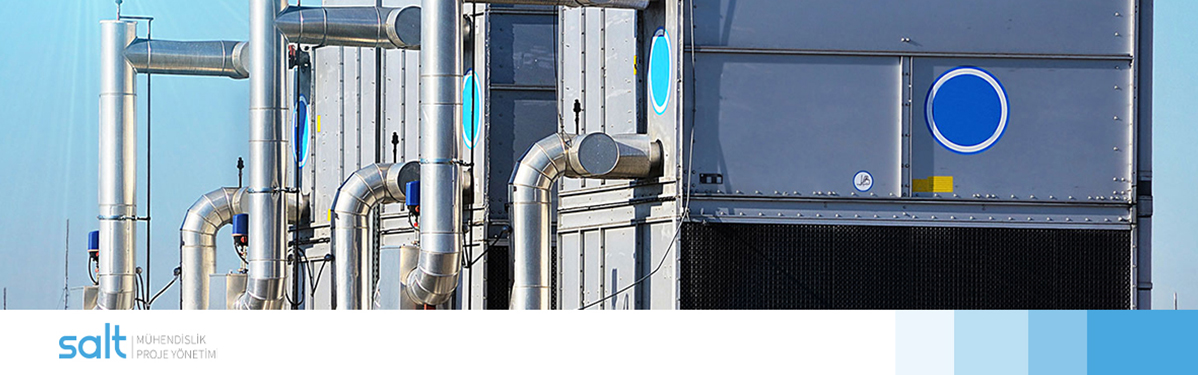
In water-cooled systems, the basic difference is that the cooling process of water is carried out thanks to the hot gas located in the circuit section of the condenser. The batteries used here are different. Plate-type or shell tube systems are preferred. Another difference when compared to air-cooled devices is that the area it covers is more limited. It is possible to use it in many different interior spaces, primarily on marine vehicles.
Functions of Cooling Systems
Cooling systems do not just ensure that the air in the environment remains constant. They also perform the process of changing the air temperature both warm and cold. In addition, humidity control is another function. Removing humidity or humidifying the environment is possible with a cooling system. Every type of adjustment in terms of blowing speed is possible. Another feature of the system is the evacuation of harmful microorganisms in the air that have the potential to threaten human health. All these functions vary according to the preferred cooling method. It is not possible for all of them to be present in the same air conditioning device. For this reason, the important point is to purchase the product after determining the need. With SALT Engineering, you can purchase the cooling system you need. For this, the purpose of use and where it will be preferred must be determined. There are many benefits that quality and affordable products will provide. The first of these is that they work according to need. You can put the system into operation immediately. Advanced mechanisms providing protection against both low and high pressure is another advantage. In this way, it can operate without any malfunction.